Nurturing Joyful and Succesful Children: Why Inclusion Matters in our Pre-School
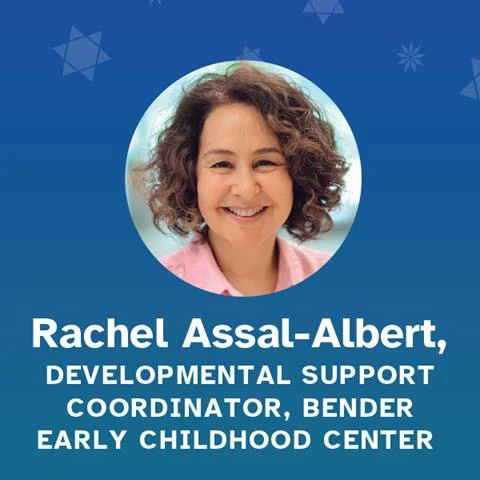
What makes a preschool truly inclusive? For me, it begins with a strong early childhood program that views children as capable, curious learners built on predictable routines, clear expectations, and thoughtfully designed spaces. When the day feels safe and structured, children can focus on taking risks, exploring, and connecting rather than managing uncertainty. This kind of environment lays the foundation for supporting every child, including those with diverse learning needs, helping them feel confident, curious, and ready to engage.
My background in special education and early intervention allows our school to go beyond offering just a wonderful early childhood experience. As the inclusion specialist, I support children in the moments they need extra care to feel confident, connected, and included.
Through observation and reflection, I work alongside teachers to understand each child’s strengths, interests, and challenges, and to make thoughtful adjustments, such as adapting activities, offering targeted strategies, or providing one-on-oneguidance. Together, we are working to preserve the child’s agency and encourage their full participation within the classroom community.
Our work begins the moment a child walks through the student-sized door at the entrance to the ECC. I work closely with our team to notice challenges early. Through regular observation, check-ins with teachers, and the thoughtful use of a variety of developmental screening tools, we are able to identify potential concerns as small struggles first appear. This early support often prevents frustration from building, helps children develop new skills, and protects their sense of joy and confidence, which is especially important in the preschool years.
When additional support is needed, we approach decisions collaboratively with
families and teachers. Together, we consider whether a private therapist, such as a speech or occupational therapist, or a county-based evaluation is the best next step. I support families through this process by helping them navigate referrals, advocating for their child, and coordinating services. I also work closely with therapists and teachers to ensure strategies are
clearly understood and embedded naturally into the classroom, so learning remains cohesive, respectful, and rooted in daily experience.
We believe parents are our partners in this work. To support families, we have hosted
a parenting series over the past few years, inviting experts to share guidance on topics such as social-emotional regulation, potty training, sleep challenges, and establishing routines. This series has helped build a strong community of learning and collaboration.
Having a dedicated inclusion role within our school allows this work to happen
thoughtfully, deliberately, and organically. It supports a culture of reflection, collaboration, and responsiveness, where inclusion is part of everyday practice, rather than a separate service. I am grateful to be part of a community that values this work and supports children and families every step of the way.


